The Anglo-Zulu War – 1879
Early Indian Military Participation
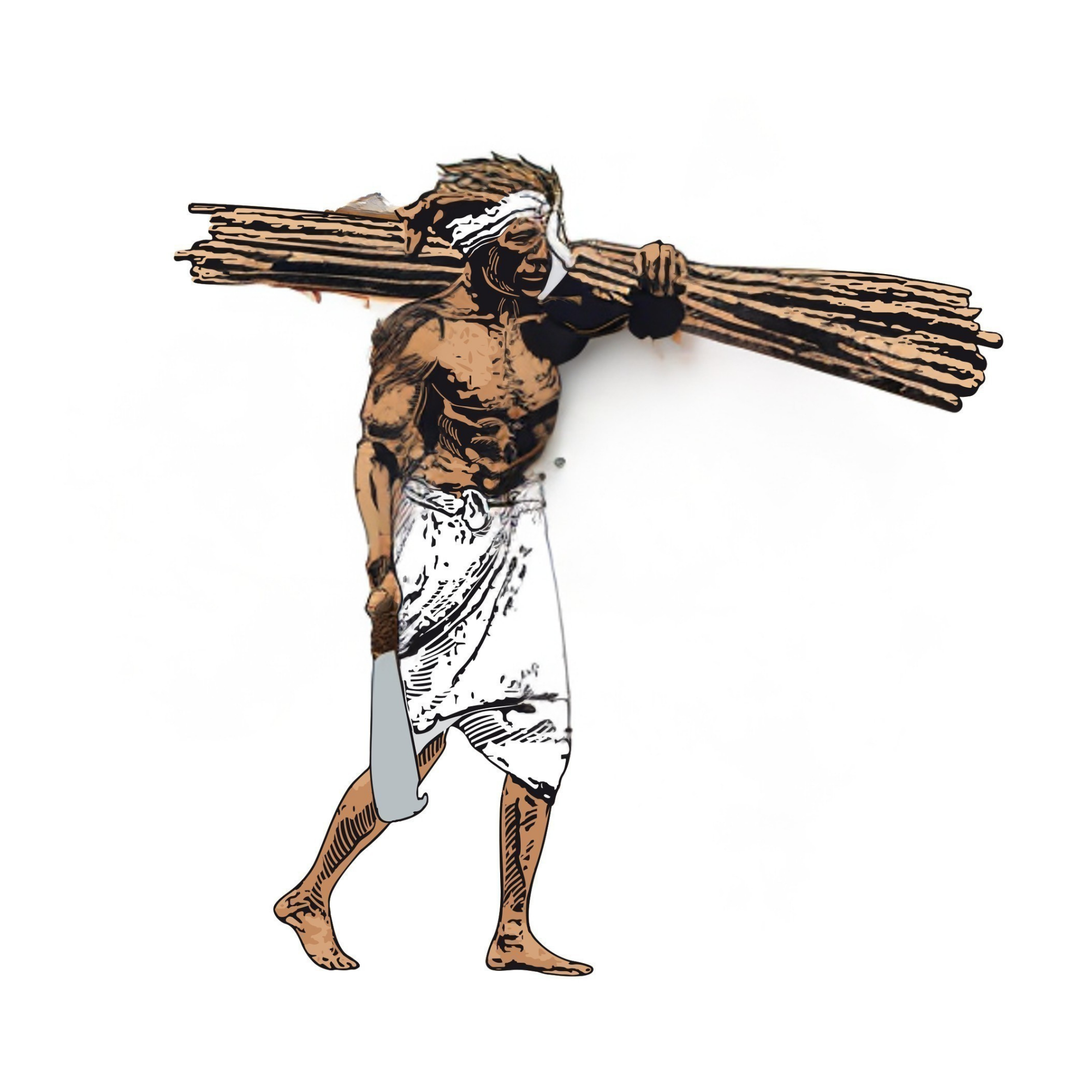
The first recorded military involvement of Indians in South Africa was during the Anglo-Zulu War of 1879. Indian soldiers, drawn from the Indian Army, played a supporting role, primarily serving as sentries to safeguard garrisons and storage facilities in Natal. The British initially deployed a small contingent of 22 Indian men, which grew in size as the war progressed. This early involvement marked the beginning of Indian participation in the military in South Africa.
The Anglo-Boer War – 1899 to 1902
Indian Involvement in the Anglo-Boer War
During the Anglo-Boer War, Indians made significant contributions through various roles. An Indian Army Contingent was deployed, accompanied by camp followers and the Indian Stretcher Bearer Corps, which provided crucial medical support. Indian traders also offered financial backing to the war effort.
Indian Contingent
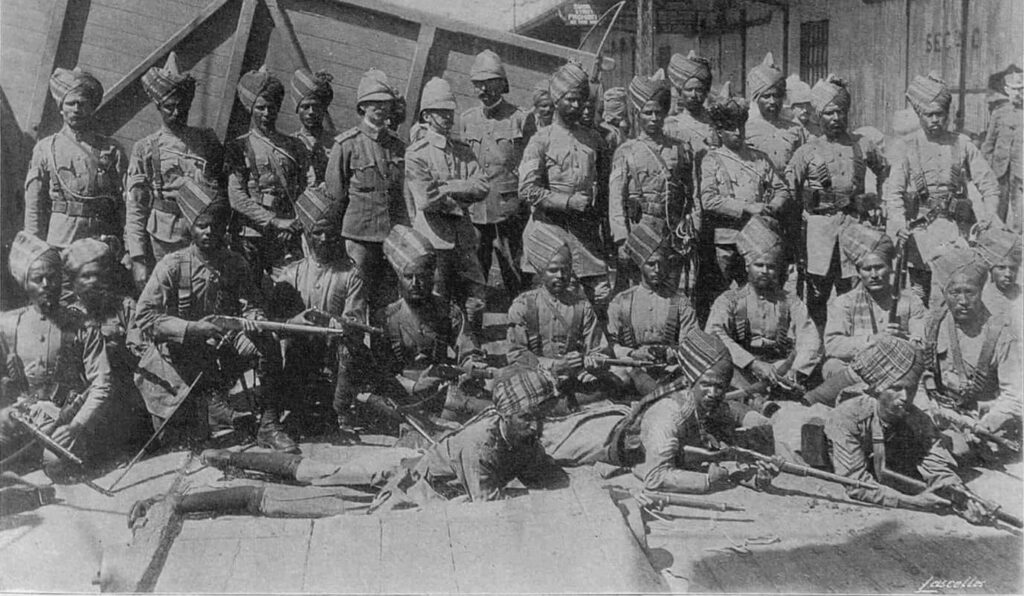
The British deployed a contingent from the Indian Army as auxiliary forces, primarily stationed at garrisons and remount camps across the country. Although their role was largely supportive, Indian soldiers occasionally found themselves in direct combat situations with Boer forces. The Indian contingent consisted of over 7,000 non-combatants providing essential support throughout the conflict. Their contributions played a vital part in the war effort. The Indian contingent comprised 3 Cavalry Regiments, 4 Infantry Battalions, 3 Field Batteries, Ammunition Column, and 1 Field Hospital.
Gallantry in the Battle of Sanna’s Post
During the Battle of Sanna’s Post on March 30, 1900, Sowar Dost Muhammed Khan, No. 1706 of the 18th Bengal Lancers, demonstrated exceptional bravery. Khan, an orderly to Lieutenant Francis Maxwell, refused to retreat despite being under heavy fire and risking capture. When a fellow soldier’s horse was shot, Lt. Maxwell rushed to assist, with Khan by his side. Despite Lt. Maxwell’s orders to retreat, Khan held the lieutenant’s horse steady, allowing the dismounted soldier to mount safely and escape. Khan was wounded in the process. Khan’s gallantry earned him the 3rd Class Order of Merit, conferred by the Governor General on September 27, 1901. Lt. Maxwell, who was decorated with the Victoria Cross for his actions, cited Khan’s bravery. Khan was wounded again at Diamond Hill.
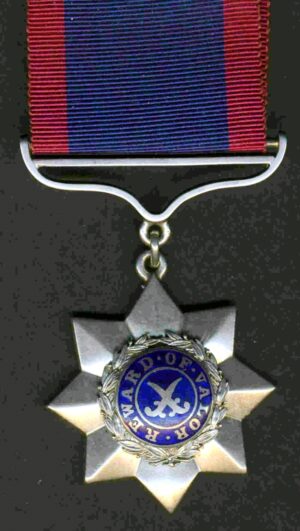
(3rd Class Order of Merit Decoration)
The Indian Bearer Corps
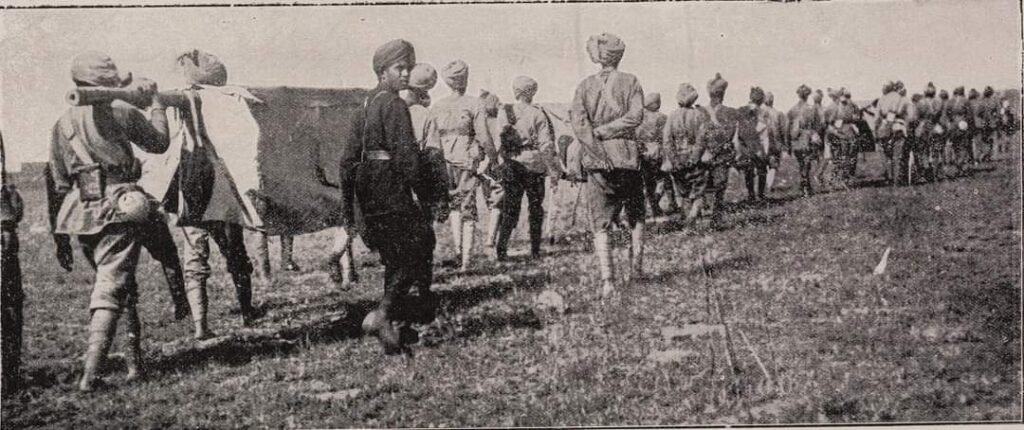
During the Second Anglo-Boer War, the Natal Indian Congress mobilised volunteers to form the Indian Bearer Corps, comprising 34 leaders and 1,100 men. This field unit served at Colenso, Spion Kop, and Vaalkrantz, providing medical support to wounded soldiers. Indian leaders raised the corps to demonstrate loyalty to the British crown, despite sympathising with the Boer cause. The unit was funded by Indian traders, who provided uniforms and equipment.
The Indian Bearer Corps consisted of stretcher-bearers trained in basic medical care. Their duties included providing immediate medical assistance on the battlefield and transporting wounded British soldiers to nearby hospitals using dhoolies, despite the challenging African terrain. The unit’s outstanding performance surprised British authorities.
The Orthopaedic Surgeon
Surgeon Captain Umedram Lalbhai Desai, M.B., an orthopaedic surgeon of Indian descent, served as a volunteer in South Africa during the Anglo-Boer War. He held a triple diploma from Edinburgh and Glasgow and was part of the South African Field Force. As part of the celebrations marking the occupation of Pretoria by British forces, Dr Desai addressed a gathering of Indians at Seth Mahomed Surti’s residence in Queenstown. In his victory speech, he highlighted the British Empire’s success and noted that the Queen had learned the Hindustani language and granted honours to Indians on par with the British. He was later permitted to resign his temporary commission from the Indian Medical Service, effective April 8, 1919, subject to His Majesty’s approval.
World War I – 1914 to 1918
Indian Ambulance Corps
During World War I, Indians in South Africa sought to prove their loyalty to the British Crown by volunteering for military service. The Indian Bearer Corps was re-established and later renamed the Indian Ambulance Corps. By the war’s end, 660 men had served in East Africa with either the 1st or 2nd Company. The Corps comprised ex-indentured labourers, colonial-born Indians, and some veterans of the Madras infantry regiments. The Indian community supported the soldiers by providing uniforms, rations, and other essentials.
Indian Distinguished Service Medal
Lalbadhur Jungbadhur Singh, a Bearer with the 1st Indian Bearer Company, demonstrated exceptional bravery. He was awarded the Indian Distinguished Service Medal for his gallantry in the field. In August 1916, during a charge at Kedati in East German Africa, Singh was shot three times by a machine gun.
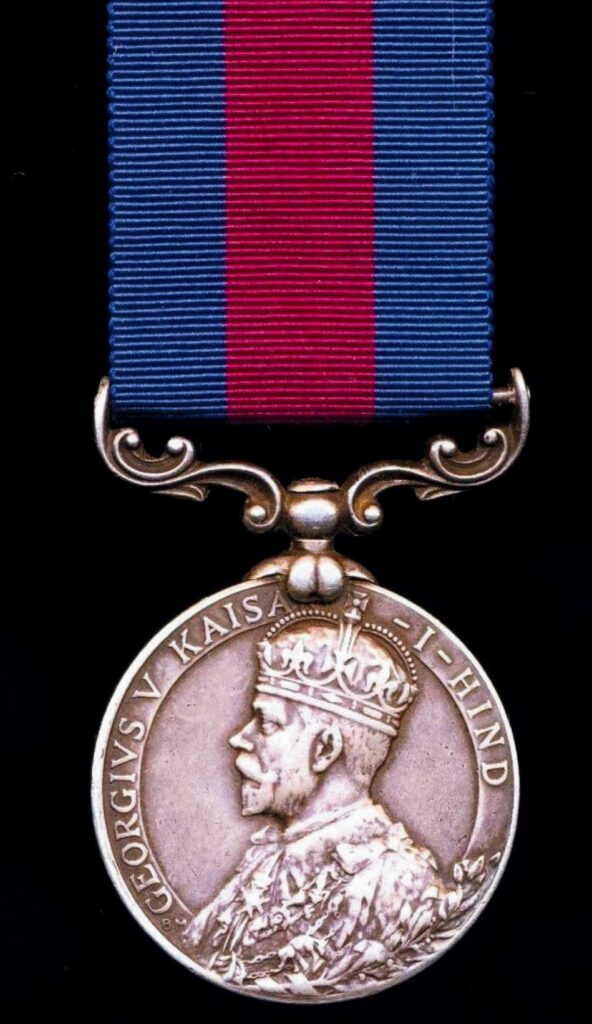
(Indian Distinguished Service Medal )
World War II – 1939 to 1945
Indian Malay Corps
In 1940, Parliament approved the inclusion of Indian, Coloured, and Black volunteers in the Union Defence Force, leading to the establishment of separate military Corps. The Indian Service Corps was formed on June 26, 1940, under Colonel G.A. Morris. Due to low volunteer numbers, the Indian Service Corps was renamed the Indian Malay Corps on December 19, 1940, to include members of the Cape Malay community. Eventually, the unit merged with the South African Cape Corps before the end of the war.
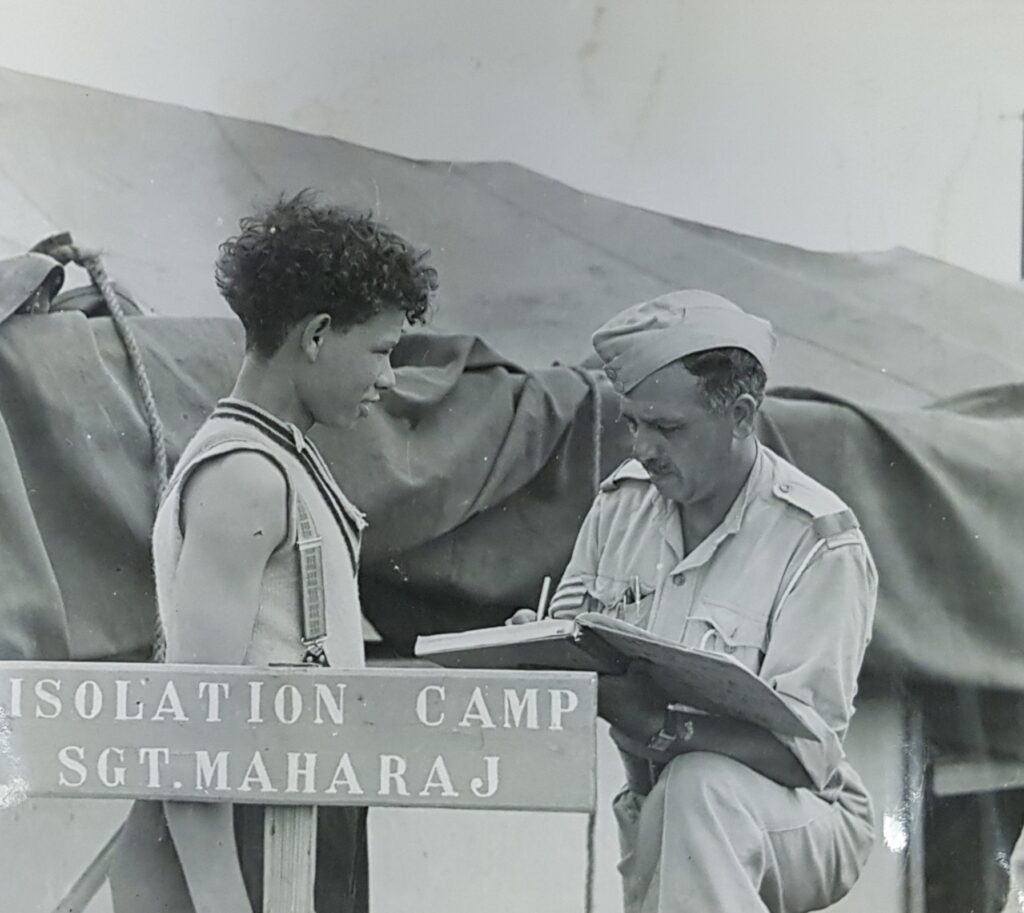
(Sergeant S.S. Maharaj)
Sergeant S.S. Maharaj was the first Indian to enlist in the Indian Service Corps, Force Number M10001
Indian Malay Corps Causality Statistics 1939 to 1945 War
Killed In Action -25 Died of Wounds – 11
Died whilst P.O.W. – 15
Missing Death Presumed – 28
Died on Service – 384
The Augustine Brothers
Two brothers, Private Frank Augustine and Private Donald Wilfred Augustine, made the ultimate sacrifice in different wars. Frank, aged 19, died on August 5, 1917, serving with the Indian Bearer Corps in World War I, and was buried at Dar Es Salaam War Cemetery in Tanzania. Donald Wilfred Augustine, Frank’s younger brother, lost his life on December 11, 1940, at the age of 25, while serving with the Indian Malay Corps in World War II. He was buried in Nairobi, Kenya.
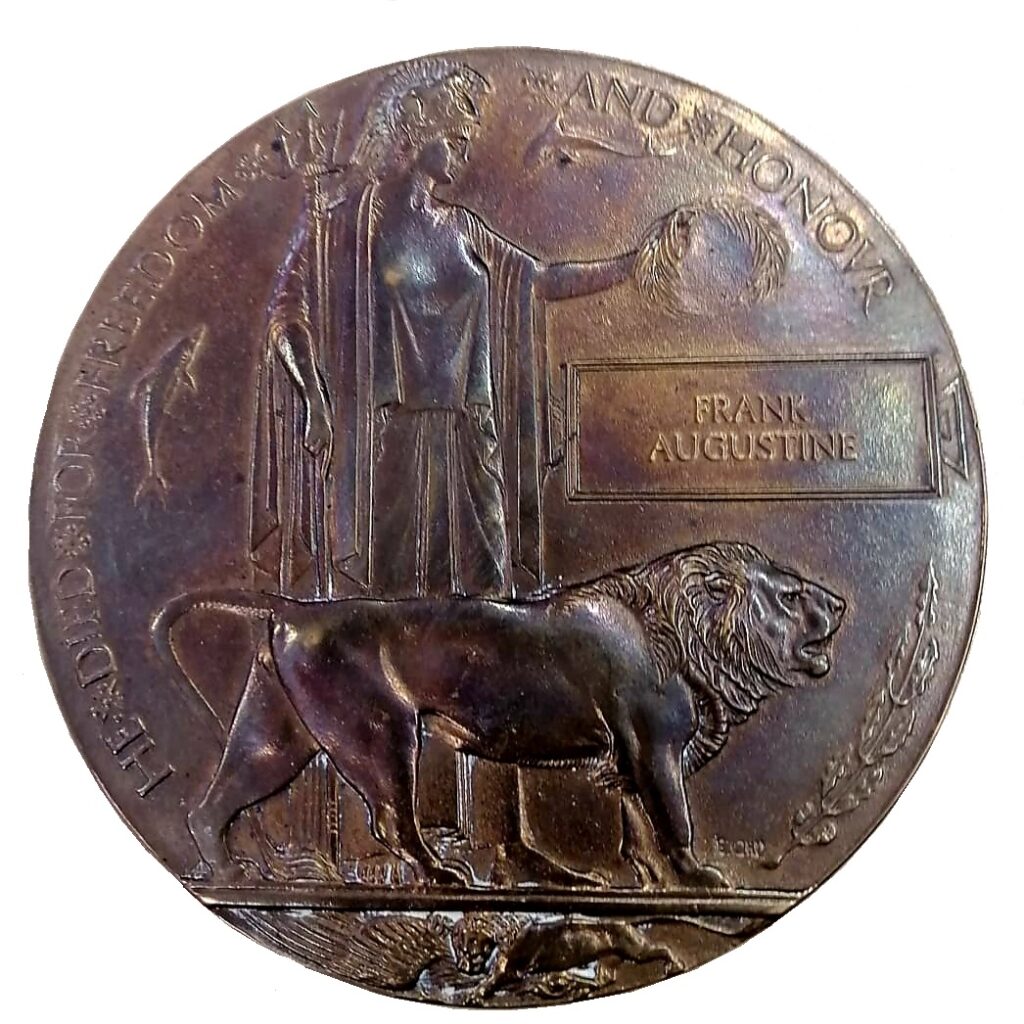
(Private Donald Wilfred Augustine’s Dead Man’s Penny)
Prisoner of War
Private George Moodley joined the Union Defence Force on May 14, 1941, as part of the Indian Malay Corps during World War II. He served with the 20th Division Field Park Coy in the South African Engineer Corps, working as a steward and general labourer. His capture as a Prisoner of war was confirmed on November 12, 1942, and he was allocated prisoner of war number 18745. On June 20, 1942, during the recapture of the Port City of Tobruk in Libya by Axis Forces, George Moodley was among the labourers offloading a ship when an aircraft bomb subsequently exploded in front of him during the air raid. Moodley sustained injuries by fracturing his right leg, injuring his kneecap and left ankle, as well as his right hand and left shoulder. He also suffered shrapnel to his scalp. According to George Moodley’s war records, he served as a prisoner of war in Libya, Italy, France, and Germany. On April 9, 1944, Moodley returned to the Union of South Africa’s military strength and was discharged from military service on March 23, 1947, with his last unit being the South African Cape Corps.
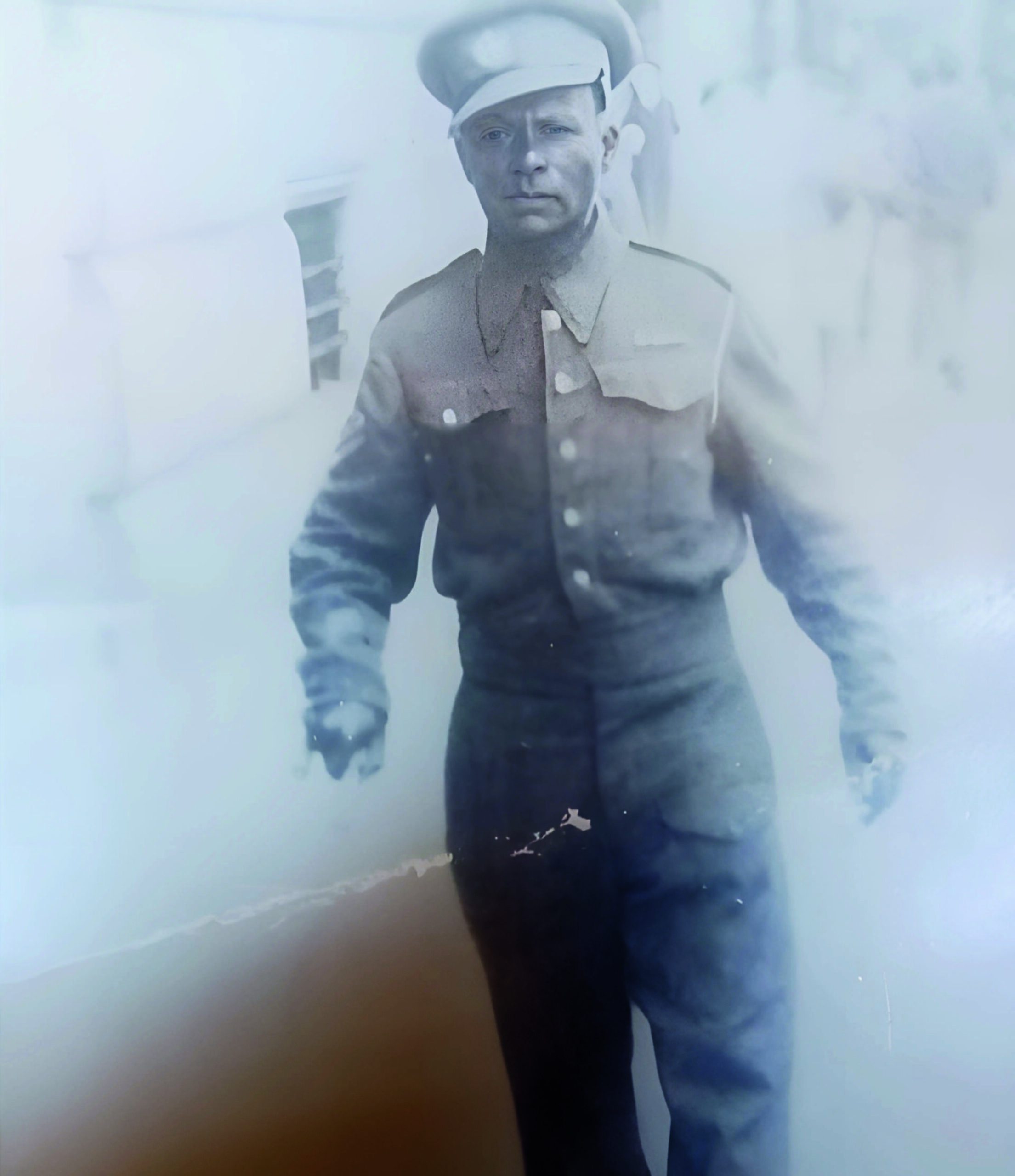
(Private George Moodley)
The Pilot Officer
Pilot Officer Dharamraj Aheer Goordeen, son of Aheer and Mangaree Goordeen of Dannhauser, Kwa-Zulu-Natal, was born on 10 September 1917 in South Africa. Goordeen left for India to study medicine at the Grant Medical College in Bombay. At the outbreak of the Second World War, he volunteered for military service as an aviator in the Royal Indian Air Force. Dharamraj Aheer Goordeen is the first known South African of Indian descent to become a military pilot to serve in the Great Wars. Goordeen was stationed at 4 Squadron in Kohat, India and flew theWestland Lysander II. Tragically, on 21 April 1942, Goordeen lost his life at the age of 24 after sustaining injuries when his aircraft, serial number P9121, lost power soon after take-off and crashed while attempting to make an approach landing back at base. Goordeen’s death in active military service is commemorated in Delhi, India and Karachi, Pakistan, at the 1939-1945 War Memorials. He is also commemorated at the Cenotaph in Durban, South Africa. Goordeen’s father, Aheer, was a farmer and businessman during the Anglo-Boer War. He was the only Indian businessman authorised to trade horses with the military. His father also played a pivotal role in politics and worked in the resistance movement. He was noted for his social work and acts of charity within the community.
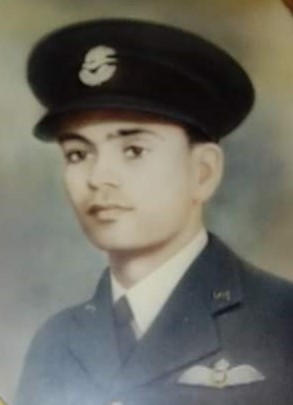
(Pilot Officer Dharamraj Aheer Goordeen)
The Gunner
Sergeant Muhammad Ali Khan Darling, service number 10235, served as a Navigator/Gunner in the Royal Indian Air Force, flying on the Vengeance AN799 aircraft with 7 Squadron. Tragically, Darling, just 21 years old, and his pilot, Flying Officer Ajit Singh, were killed in an aircraft accident on February 19, 1944, while en route to Gwalior/Lahore. The aircraft crashed near Hariki Road. Darling is commemorated at the 1939-1945 War Memorial in Delhi and Karachi, honouring his sacrifice. He was the son of Faiz M. Khan and Katiya Bibi, of Durban, South Africa.
The South African Special Forces
The First Indian Recce
Warrant Officer Class 2 Laren Krishna joined the South African Navy in January 1984 as part of the 2-year voluntary national serviceman programme for Indians, undergoing basic training at SAS Jalsena. Krishna embarked on the Special Forces cycle in 1985 and qualified as the first South African Special Forces Operator of Indian origin on April 16, 1987. He then joined 1 Reconnaissance Regiment in Durban. At just 20 years old, Krishna became operationally active in Angola, participating in notable operations like Operation Modular and other covert missions across the border during the South African Border War.
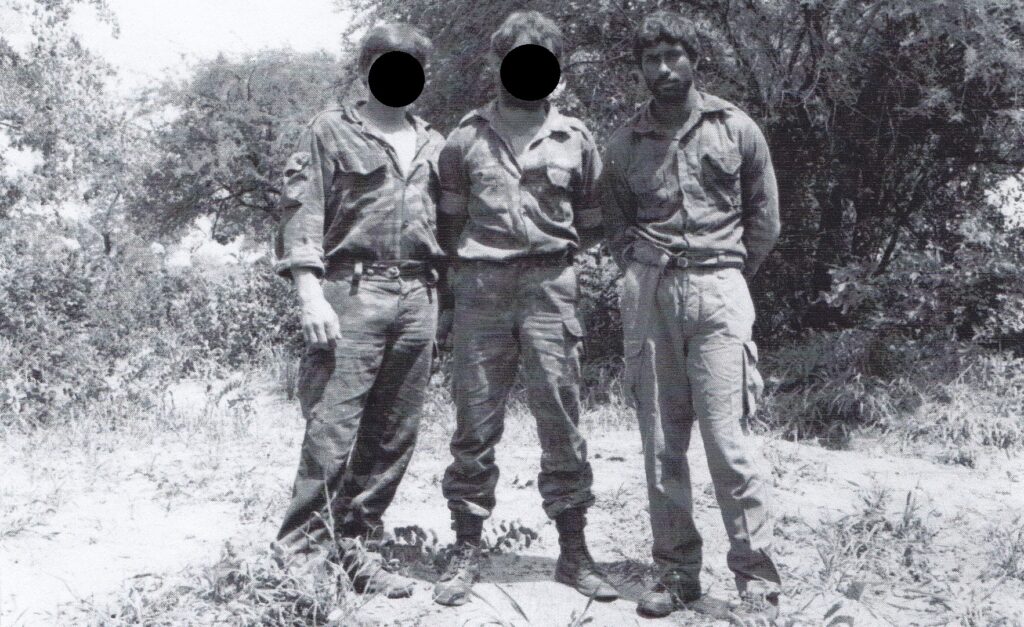
(L-R: 2 Unknown Operatives and WO 2 Laren Krishna deployed in Angola)
The South African Army
The First General
Indrani Arends joined the Defence Force in 1988 as part of the second batch of Indian females recruited by the SA Navy, training at SAS Jalsena in Durban. She broke barriers in 1991 by becoming the first Indian to enlist in the South African Army. Arends’ achievements continued to excel as she was the first Indian officer, the first non-European, and female to win the Leadership Trophy on the officer’s formation course in 1992. In 2016, Arends was promoted to Brigadier General, becoming the first Indian General in the SA Army.
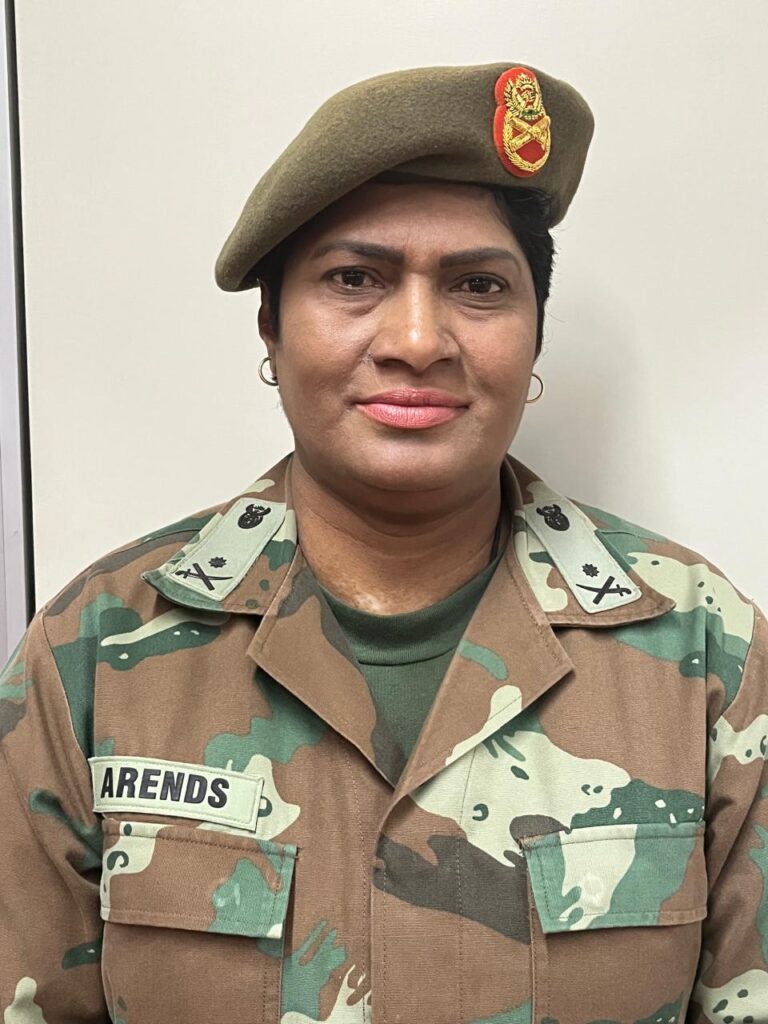
(Brigadier Indrani Arends)
The Commandos
On December 13, 1984, twenty members of the Indian Commando Unit, Durban North Commandos, were deployed to South West Africa (SWA). On arrival, they received an additional 2 weeks of orientation and bush warfare training in Sector 10 in SWA. The group was attached to the 10 Armoured Car Squadron in Oshakati, performing duties as a support group to the squadron, including foot and vehicle patrols, escorts, and ambushes.
The First Commissioned Commando
2nd Lieutenant Vikram Singh made history as the first South African of Indian origin to be commissioned as an officer in the Commandos.
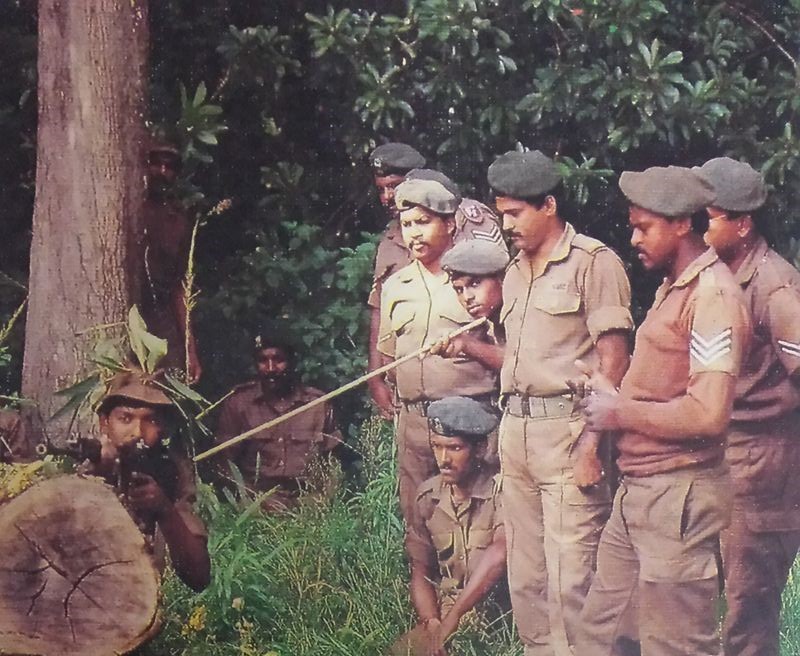
(2nd Lieutenant Vikram Singh instructing a class)
The South African Air Force
Origins of Indians in Aviation
The first recorded pilot of Indian descent in South Africa was 20-year-old Mr Mohamed A.R. Gani of Klerksdorp. Mr Gani obtained a pilot’s “A“ licence in 1939 after completing 20 hours of flight training at the Union Aviation Company at Rand Airport in Germiston. His flight instructor was Miss Doreen Hooper, and his younger brother also trained to become a pilot. (Source: South Africa Cape Standard Newspaper 14 November 1939)
The First Recruit Flight Sergeant Gopaul “Roy” Marimoothoo was born in Inanda on the north coast of Durban, Kwa-Zulu-Natal. He was the first South African of Indian descent to be admitted into the South African Air Force (SAAF). Marimoothoo was enlisted in the SAAF in 1979 and commenced basic military training in January 1980. On completion, he was transferred to Air Force Base (AFB) Durban, where he was stationed until his retirement in 1998. In 1984, he was awarded the Pro Patria Medal for serving on the border during the Bush War in South West Africa, now Namibia.
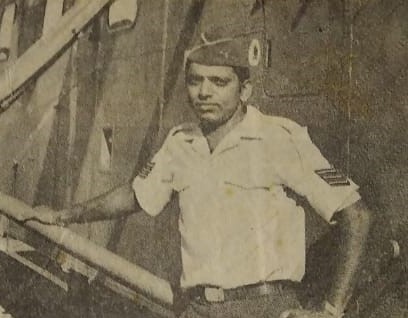
(Flight Sergeant Gopaul “Roy” Marimoothoo)
The First Indian Female in the SAAF
Flight Sergeant Sherene Rambalee became the first Indian woman to be admitted into the SAAF in August 1986. She completed her basic military training in April 1987 in Pretoria and was transferred to AFB Durban. In 1988, she completed her service in an operational area at AFB Grootfontein, South West Africa and was awarded the Pro Patria Medal. In 1993, in the run-up to the democratic elections, Rambalee was awarded a top-secret security clearance when she was appointed to a post as a Classified Registry Officer at the Ministry of Defence in Pretoria. In 1994, after the democratic elections, Minister Joe Modise was appointed as Minister of Defence and Mr Ronnie Kasrils as Deputy Minister of Defence. In May 1994, Minister Modise appointed Rambalee as his Personal Assistant, and in June 1997, Sherene Rambalee resigned to join the family business.
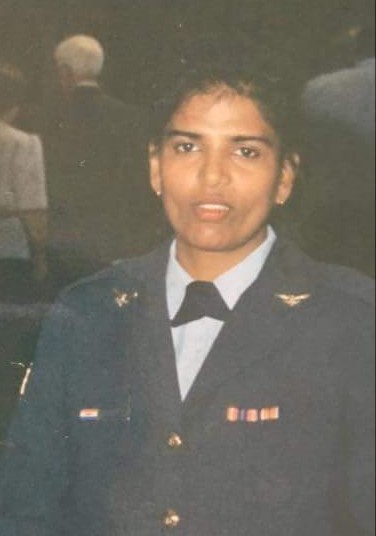
(Flight Sergeant Sherene Rambalee)
The First Black Pilot in the SA Air Force
Until the mid-1980s, part of the criteria for selection for SAAF pupil pilot training was that the prospective pilot had to be a white male. By 1986, it is believed that Indians and Coloureds were permitted to apply for selection. All Blacks, including those of the independent or self-governing “homelands”, were excluded. The first non-white to undergo flying training was Captain Koomaresen “Vino” Eargambram from Cliffdale, a farming village near Hammarsdale in Natal. After completing his matric at Shallcross High School in Queensburgh, he enrolled at the University of Natal for a degree in Computer Science. He abandoned his studies to pursue a flying career and enlisted in the SAAF. Eargambram began his flying training with Pupil Pilot’s Course 1/89, which began training in 1988. He was selected as the best student during his basic military training at the Air Force Gymnasium and following completion of his training at the Central Flying School at Dunnottar. He received his wings on 5 July 1990 and was posted to 84 Light Aircraft Flying School at AFB Potchefstroom for further training on the Cessna 185. He eventually qualified to fly helicopters and flew Pumas with 15 Squadron at AFB Durban. He subsequently joined SAA on 18 September 1995, flying both domestic and international routes, before accepting the position of CEO of Blackbird Aerospace. In 2008, with the dream of starting a domestic airline, he was instrumental in establishing Airtime Airlines and was responsible for commercial operations. He remains involved in the field of aviation, serving as Director of Jet M Aviation in Kwa-Zulu Natal and other related businesses.
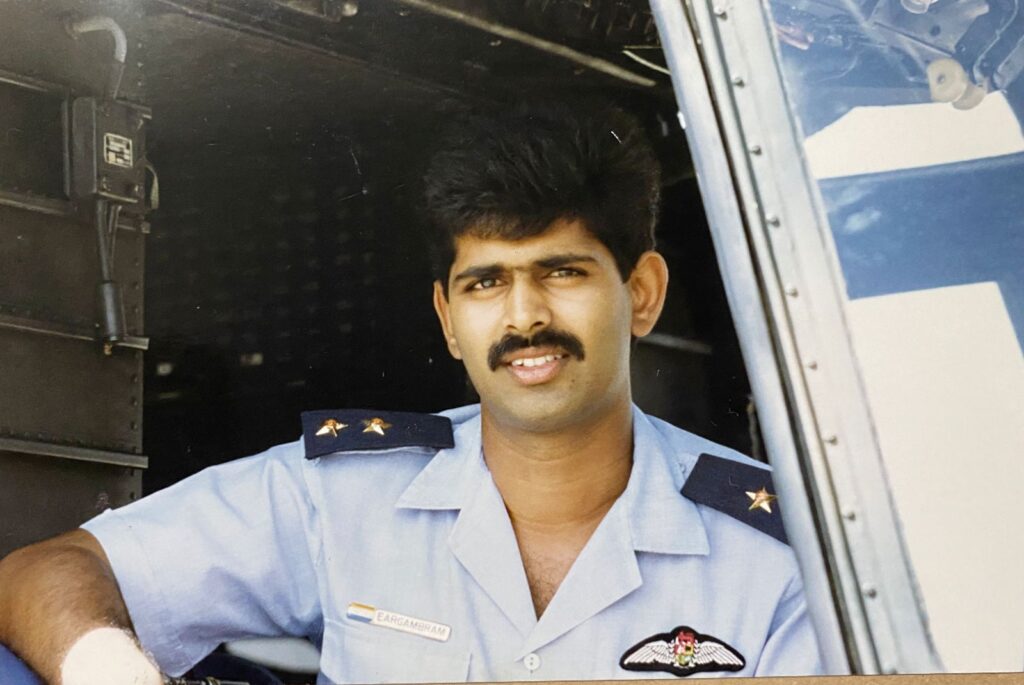
(Captain Koomaresen “Vino” Eargambram)
The First Black Female Pilot in the SA Air Force
In January 1997, Lieutenant Kerina Moodley became the first non-white female to be recruited as a pilot by the SAAF, making her one of only 10 female pilots in the SAAF at the time. Moodley was also the first South African female of Indian descent to be commissioned as an Officer within the SAAF. During the 2000 Mozambique floods, Moodley was part of the SANDF mission to Mozambique and was awarded the Military Merit Medal for her humanitarian efforts. At the time of her resignation in 2003, she was stationed at 41 Squadron at AFB Waterkloof, Pretoria.
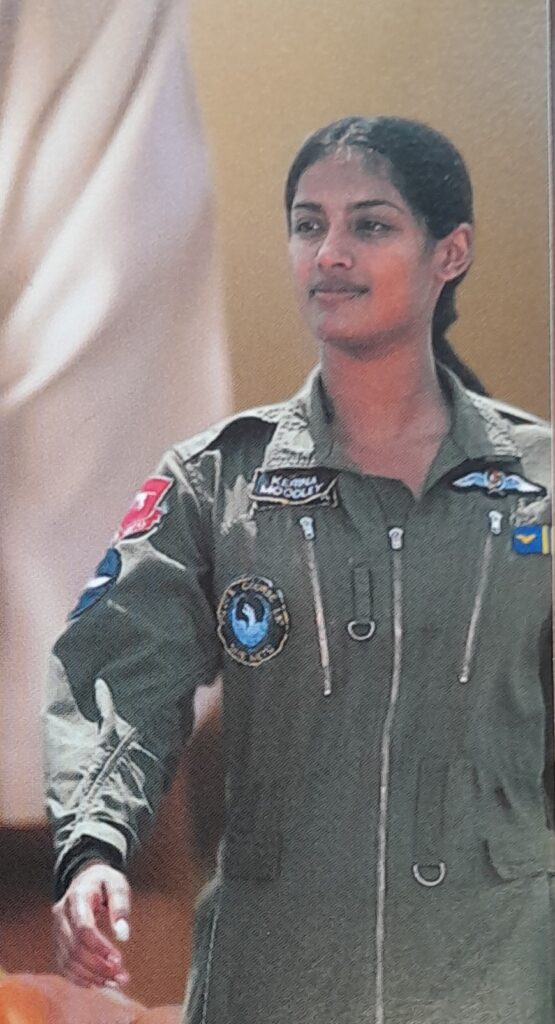
(Lieutenant Kerina Moodley)
Combat Pilots & Striker Navigators
Colonel Rama “Dynamite” Iyer was born in India and was an Indian national trained to fly MiG fighter aircraft. He served as a fighter pilot in the Indian Air Force for a period of 24 years before being contracted in 1998 by the SAAF to set up the flight training for the newly acquired Bae Hawk Mk 120 Lead In Fighter Training (LIFT). Colonel Iyer also trained Iraqi pilots on the Mirage aircraft in Iraq before the Gulf Wars. He later flew the Impala trainer jets in the SAAF before transferring to the Air Force College as an Instructor before retiring. In his retirement, Iyer flew various aircraft in the SAAF Museum Historic Flight and sadly passed on in an aircraft crash along with General Des Barker at the AFB Swartkop in Pretoria.
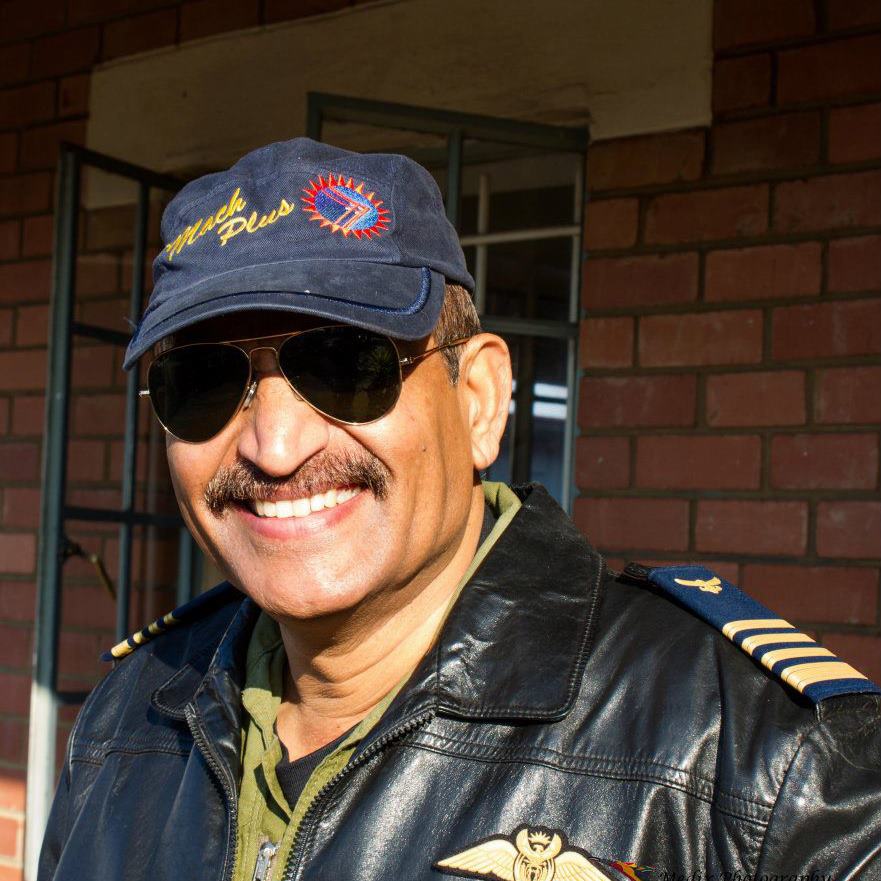
(Colonel Rama “Dynamite” Iyer)
Captain Ryan Simeon was the first South African of Indian descent to enter the fighter aircraft line as a pilot and qualified as a Wingman. He received his Pilot’s wings in 2010 and transferred to the 85th Combat Flying School. Fellow pilot Major Zayd Peer was the first South African of Indian descent to qualify as a Flight Leader.
Lieutenant Klyde Ross Naidoo’s roots stem from Reservoir Hills, Durban, and he joined the SAAF in January 2011 to become a pilot after declining the opportunity to study medicine. His flying training commenced in 2013 at the Central Flying School at Langebaanweg. He qualified on the Pilatus PC7Mk2 before progressing to the BAE Systems Hawk Mk20 at 85 Combat Flying School. Naidoo was transferred to 2 Squadron in December 2019 to begin the Gripen Operational Conversion Course. On 5 May 2020, Lieutenant Naidoo made his first solo flight in a Gripen and officially became the first South African of Indian descent to fly a front-line fighter aircraft and go supersonic.
The Strike Navigator
Major Kevin Chetty became the first South African of Indian descent to serve as a Strike Navigator in the SAAF. As strike Navigator, Major Chetty operates the weapons systems onboard the fighter aircraft. Currently, he serves on the Gripen Fighter aircraft.
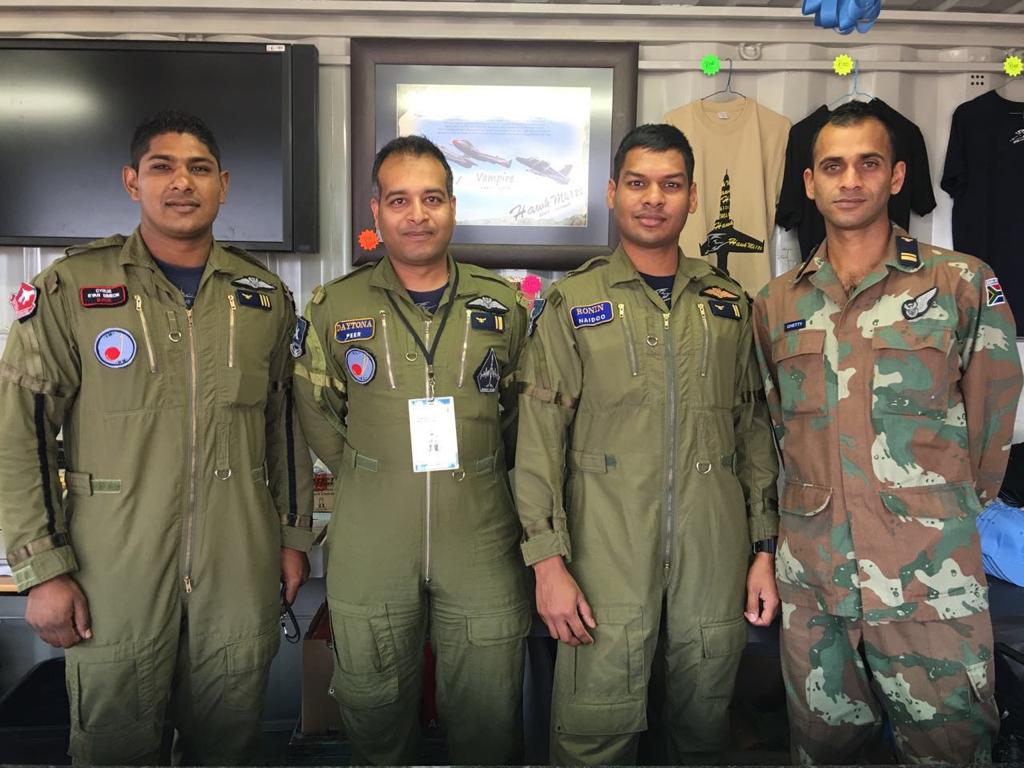
(L-R: Captain Ryan Simeon, Major Zayd Peer, Lieutenant Klyde Ross Naidoo and Major Kevin Chetty)
The Squadron Commander
Colonel Donavan Chetty was born in Durban on 20 May 1976. He matriculated in 1993 from Isipingo Secondary School and pursued a tertiary education at M.L. Sultan Technicon as a civil engineering student. In 1996, Chetty enlisted in the South African Navy as a mechanical fitter and continued his naval career at SASWingfield and later the Simon’s Town Dockyard. In 1998, Chetty transferred to the SAAF as an aircraft mechanic and completed his technical training at 68 Air School (previously known as the School for Logistic Training). In 1999, he was transferred to 15 Sqn, AFB Durban, to complete his apprenticeship on the Oryx helicopter. He was accepted into the SAAF pupil pilot program and completed Officer Formative Training in June 2000. Transferred to CFS Langebaanweg for flying training, Chetty received his SAAF Pilot’s wings in December 2002. In 2005, Chetty was transferred to CFS Langebaanweg and completed his SAAF Instructor’s rating on the Pilatus PC7Mk2Astra. In 2014, he was appointed to the rank of Lieutenant Colonel as the Officer Commanding of 35 Squadron, and he became the first Squadron Commander of Indian descent of a flying unit.
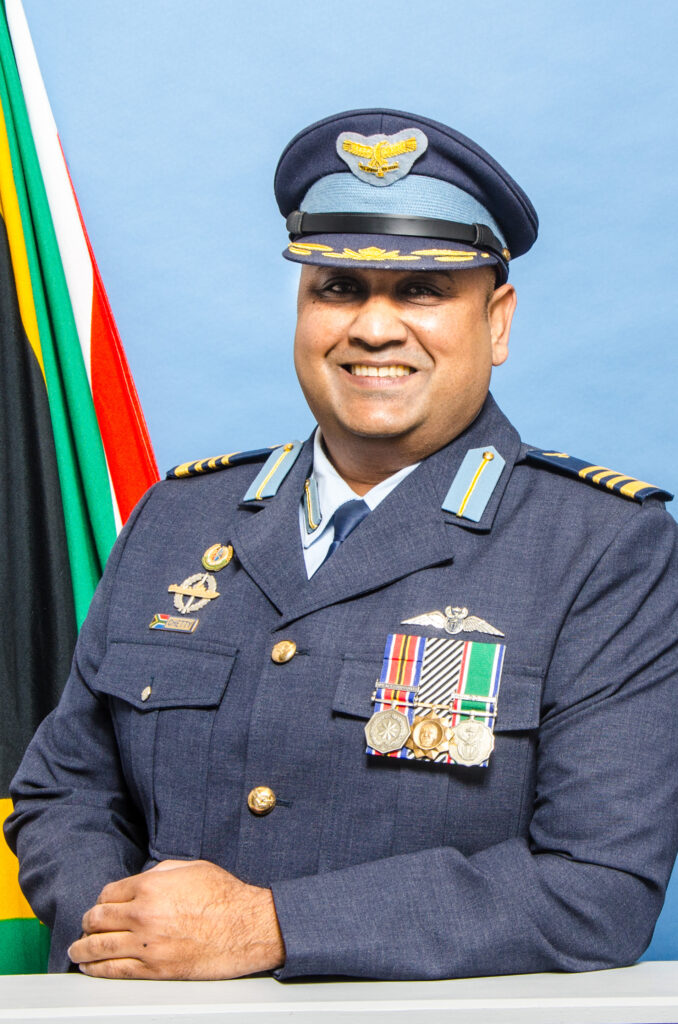
(Brigadier General Donovan Chetty)
Flight Engineer
Flight Sergeant Ryan Naidoo originates from Mayville in Durban. On 23 August 2006, Naidoo joined the SAAF, where he embarked on an apprenticeship as an aircraft mechanic. After completing his mechanical trade test in 2009 on the Lockheed C130B Hercules, Naidoo progressed on to becoming the first South African operational flight engineer of Indian descent in the SAAF, having received his wing on 21 March 2012. He served as a flight engineer on the Augusta A109, BK117 and the Oryx helicopters at 15 Squadron in Durban.
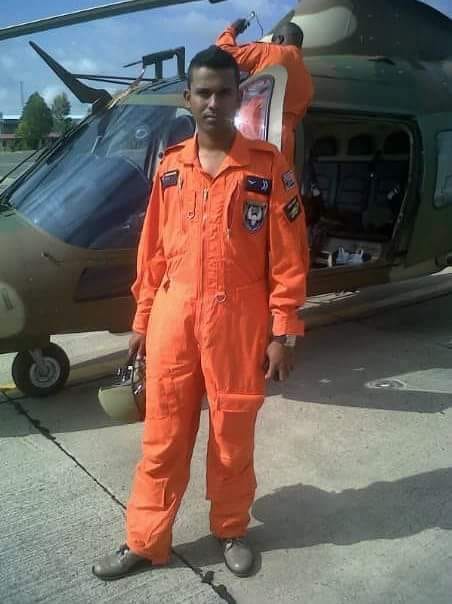
(Flight Sergeant Ryan Naidoo)
The General
Brigadier General Riaz Saloojee served as the former Head of the Umkhonto we Sizwe (MK) Internal Ordnance Structures, Head of the MK National Projects Unit, Personal Assistant to MK Commander Joe Modise, Special Military Advisor to the Transitional Executive Council sub-council on Defence, as well as a member of the MK Integration Negotiating Team. Post 1994, he served as Personal Staff Officer (PSO) to Minister of Defence Joe Modise, as Senior Staff Officer (SSO) Operations (Integration) with 7 South African Infantry Division, SSO Intelligence Systems (SAAF) and finally, Director Operational Support Systems & Intelligence Group (D.Ops&Int). He held the rank of Brigadier General and was the first South African of Indian descent to hold the rank of a General in the SAAF.
The Regimental Sergeant Major
Warrant Officer Class 1 Devarajan Lionel Moodley enlisted in the South African Navy in January 1976. He started his military career at the South African Indian Corps Training Battalion (SAICTB), where he completed 11 months of basic military training. In January 1977, he became part of the Permanent Force, serving on the mine sweeper ship, SAS Durban. In 1980, he joined the Marines and served as an instructor at the Marine School and at Oshakati, Sector 10, SWA. The Marine Corps was disbanded in March 1990, and he transferred to the SAAF in April of the same year as a supervisor in transport administration. In 1999, he completed his Senior Supervisor Course at the Air Force College in Pretoria and was promoted to Warrant Officer Class 2 in December 2000. He was the first Warrant Officer of Indian descent in the SAAF. In 2005, he was offered a post at the Centre for Advanced Training as an Occupational Health and Safety Coordinator and promoted to Warrant Officer Class 1 and was later appointed as the acting Regimental Sergeant Major.
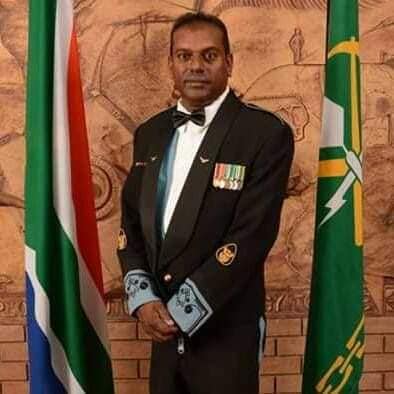
(Warrant Officer Class 1 Lionel Moodley)
Bravery in Burundi
Flight Sergeant Vasudevan “Vinesh” Selvan was the first recipient of the Nkwe Decoration series in 2004, which replaced the Honoris Crux series for bravery. Flight Sergeant Selvan (then Sergeant) was deployed in Bujumbura, Burundi, on Operation FIBRE in February 2002. Selvan was stationed at the South African National Defence Force base camp supporting combat search and rescue operations. At 23:00 on February 20, 2002, he displayed exceptional courage whilst in grave danger. There was an attempt to murder a Special Forces Commander. The officer was unarmed, and after an unsuccessful attempt to disarm his attacker, fled towards the camp of the SAAF personnel with his assailant in hot pursuit. Selvan closed in on the officer and positioned himself in the line of fire to fend off the attacker. Selvan deliberately took a firing position; this courageous and daring action allowed the badly wounded officer to escape. Selvan remained in his firing position, even though he was exposed due to the non-availability of cover. After drawing effective fire from the attacker and being wounded in both legs, Selvan returned fire and effectively neutralised the attacker, thus saving the life of the seriously wounded officer. Selvan was awarded the Nkwe Ya Selefera “Silver Leopard” Decoration for bravery. (Medal No. 001)
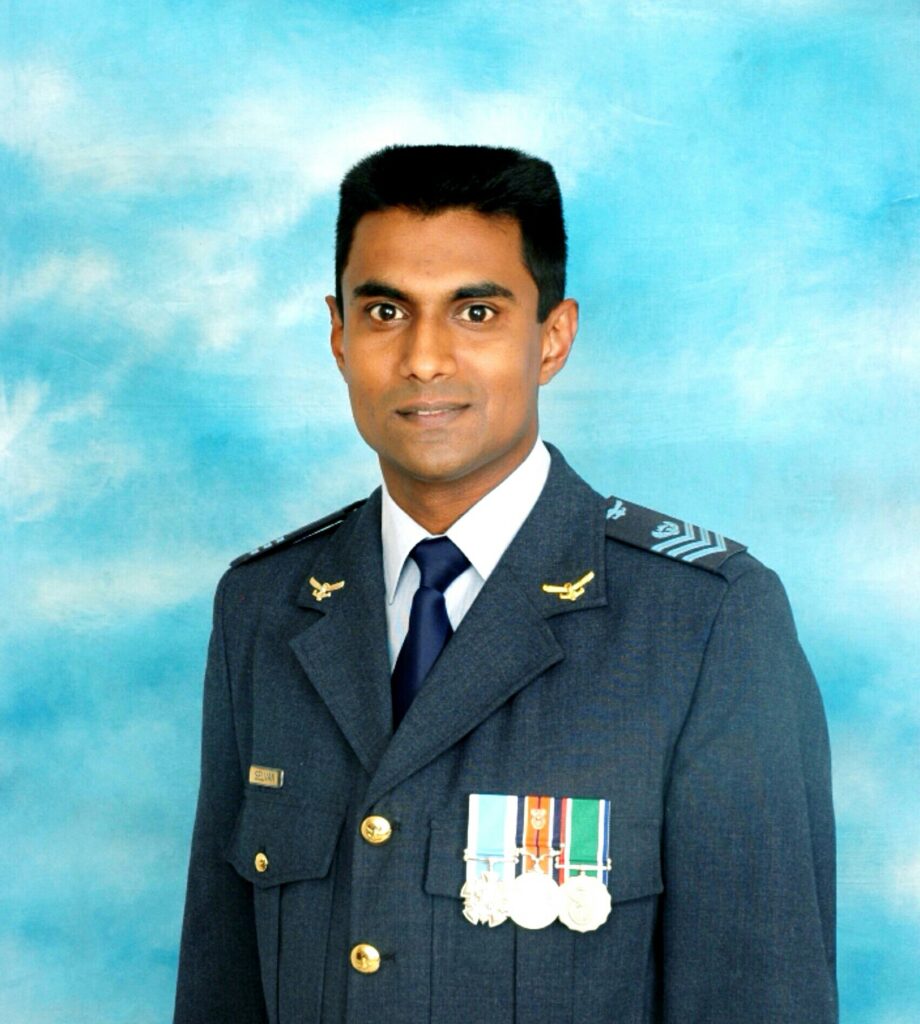
(Flight Sergeant Vasudevan “Vinesh” Selvan)
The Operational Rescue
Colonel Prega Gounden (then Flight Sergeant) served as an avionics technician at 15 Squadron, AFB Durban. During the 2000 Mozambique floods, Gounden, together with other members of the Air Force, was deployed to Mozambique on a humanitarian, search and rescue mission. Due to the severity of the flooding, the Mozambicans took to the trees and roof structures to avoid the raging floodwater. During their two-week mission, Gounden was constantly lowered by hoist and tasked with rescuing flood victims. Due to language barriers and the victims’ fear of aircraft, Gounden had to use sign language to convince the victims to allow him to hoist them into the Oryx helicopter. Gounden was awarded the Military Merit Medal for his service during the humanitarian, search and rescue mission.
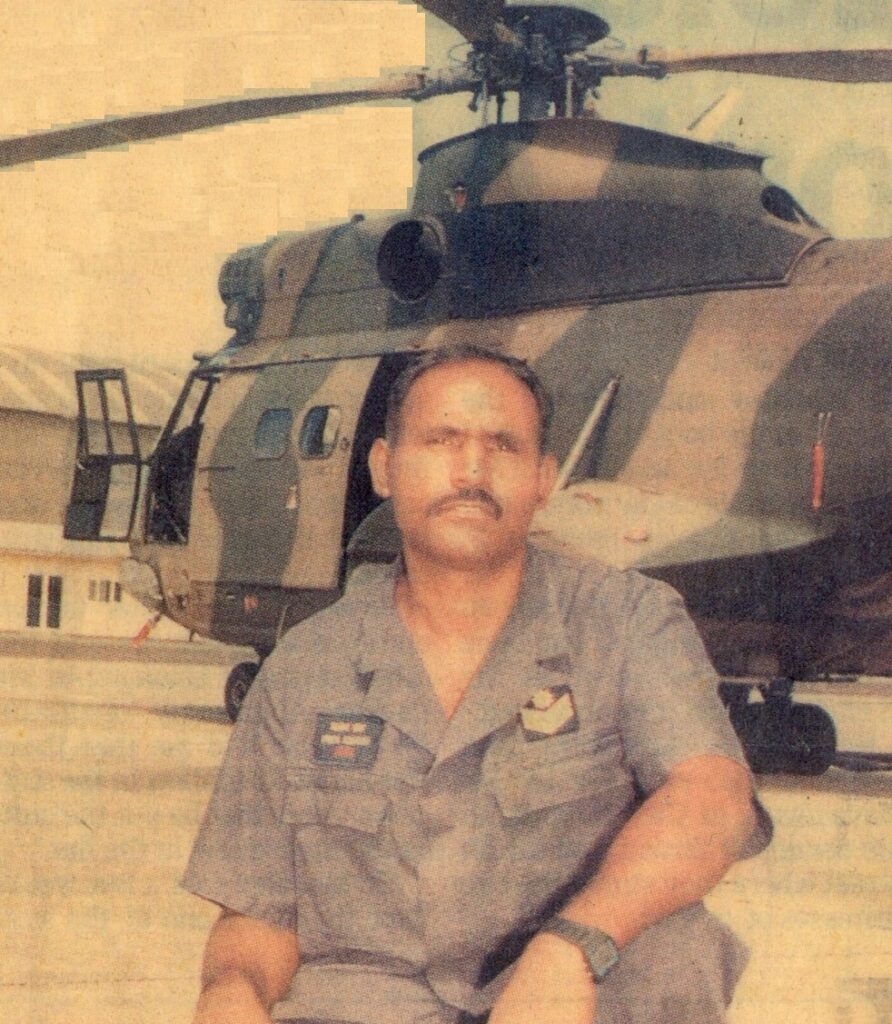
Colonel Prega Gounden (then Flight Sergeant)
The South African Navy
South African Indian Corps Training Battalion (SAICTB)
Following World War II, General Jan Smuts declared that Indians weren’t needed in the South African military. However, after persistent efforts by Indian leaders to achieve equality, the government reversed this decision in 1974, allowing Indians to serve. The first group of Indian volunteers joined the Navy on January 15, 1975, forming the South African Indian Corps Training Battalion (SAICTB).
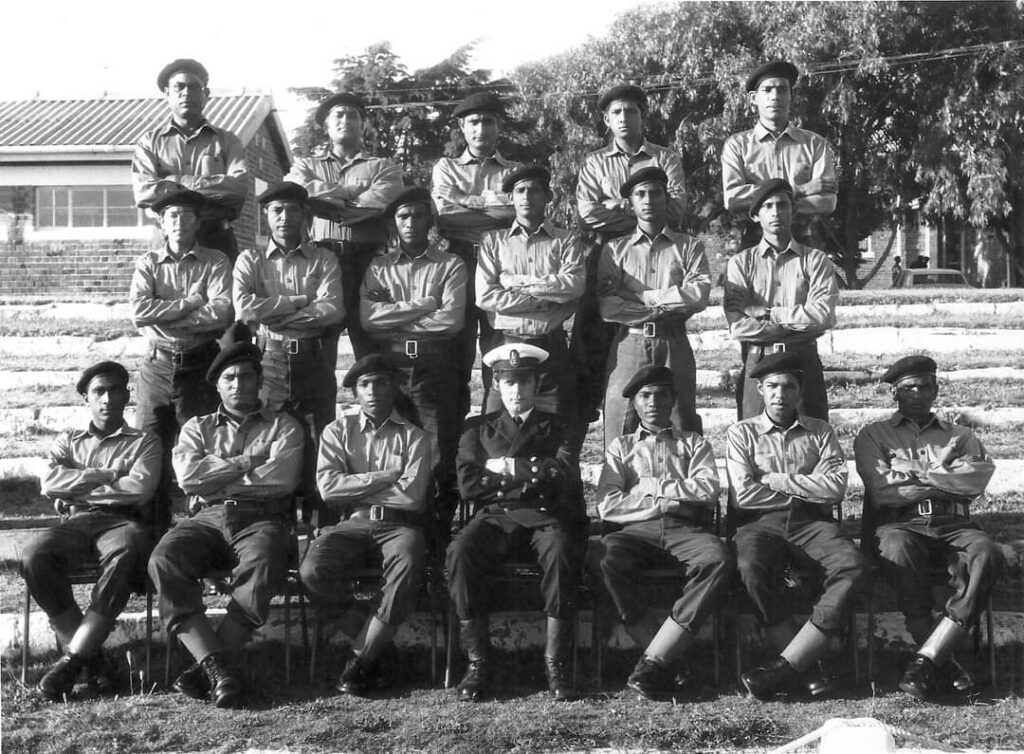
(The first group of Indian volunteers to join the Navy)
SAS Jalsena
In 1979, this unit was renamed from the South African Indian Corps Training Battalion to SAS Jalsena, meaning Naval Force in the Hindi language.
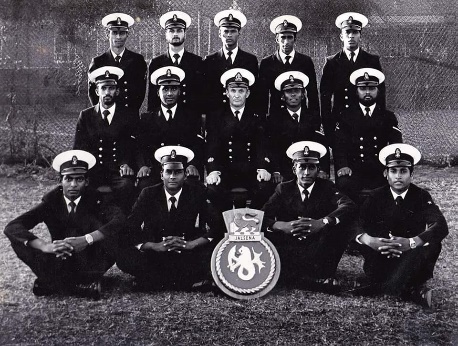
(SAS Jalsena Class)
The Marines
The South African Marines were formed in 1979 to safeguard harbours and national key points, leveraging both aquatic and land capabilities. The foundation of this unit began in September 1978, when 80 Indian soldiers, having completed basic training at SAS Jalsena in Durban, were transferred to Simon’s Town, Cape Town, for further military training. During the Angolan Bush War, the Marines played a crucial role in counter-insurgency operations in South West Africa, conducting river patrols and border duties.
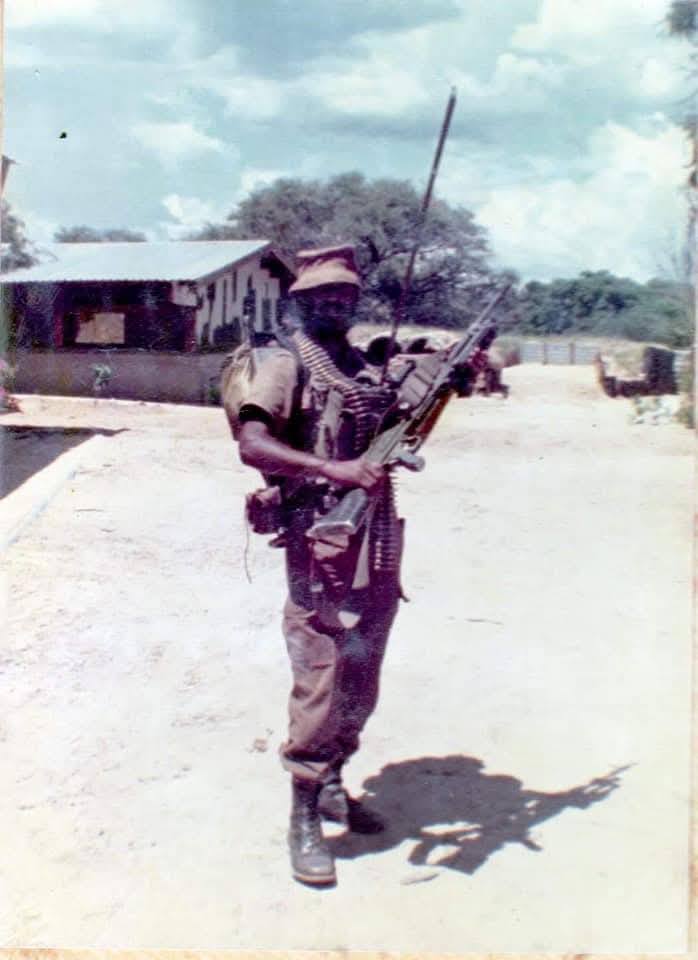
(A Marine on Deployment in South West Africa)
The Strike Craft Commander
Commander Yegan Moodley was the first South African of Indian origin to complete a Bachelor of Military Science degree. He was appointed as a commander of the South African strike craft, SAS Jan Smuts, at a parade on Salisbury Island in Durban on December 14, 1994.
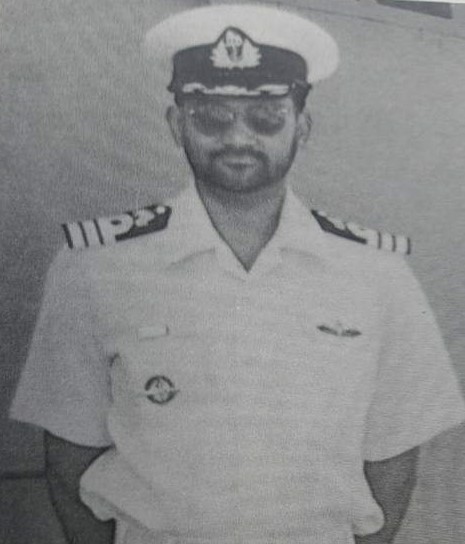
(Commander Yegan Moodley)
The Swans
Women first served in the South African Navy during World War II in civilian roles. A significant milestone was reached on January 8, 1973, when women were enlisted in uniform for non-combat duties. A notable step towards diversity was taken on January 12, 1987, when five Indian women joined the Navy, participating in the first multiracial basic training course at SAS Simonsberg in Cape Town, later completing their training at SAS Jalsena.
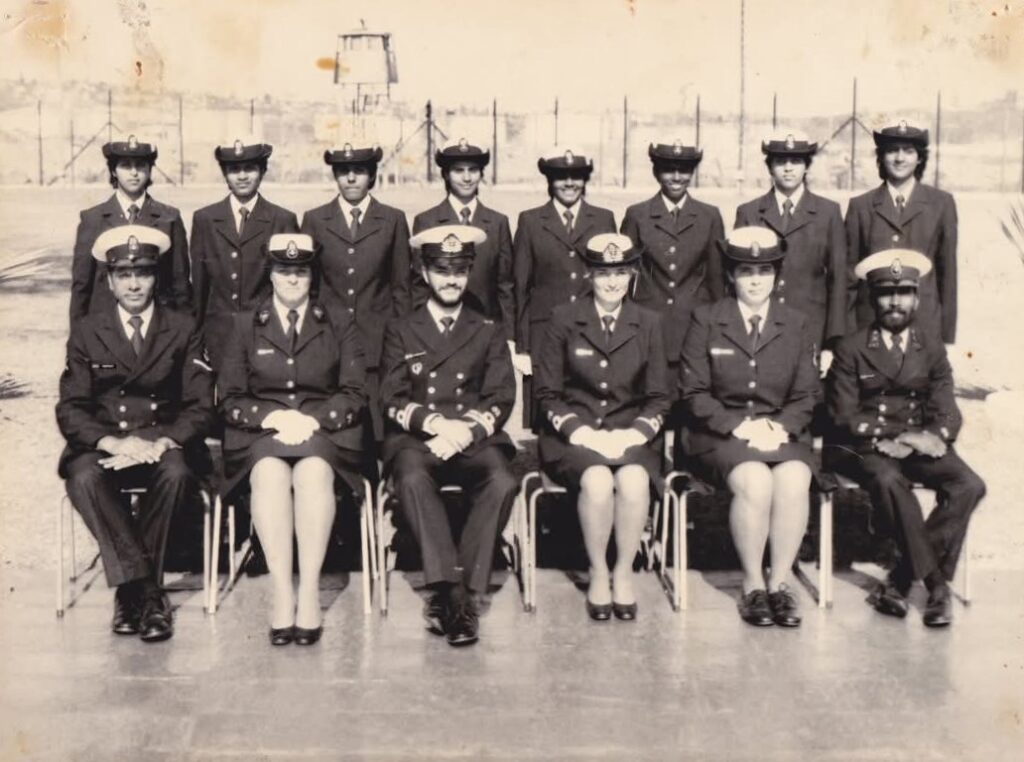
(The South African Navy Swans of Indian Origin)
The First Female Commander at Sea
Sub-Lieutenant Latha Starling made history on May 20, 2005, as the first female Commander at sea. She took the helm of SAS Tekwane, an inshore patrol vessel, at the Durban Naval Base.
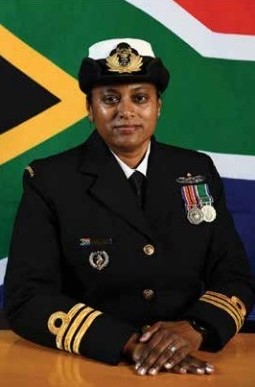
(Sub-Lieutenant Latha Starling)
Bravery in Service
Leading Seaman Amrithlall Tothara Ramdin received the Nkwe Ya Gauta (Golden Leopard) Decoration posthumously for bravery while trying to rescue workmen at the Durban naval base on August 17, 2017.
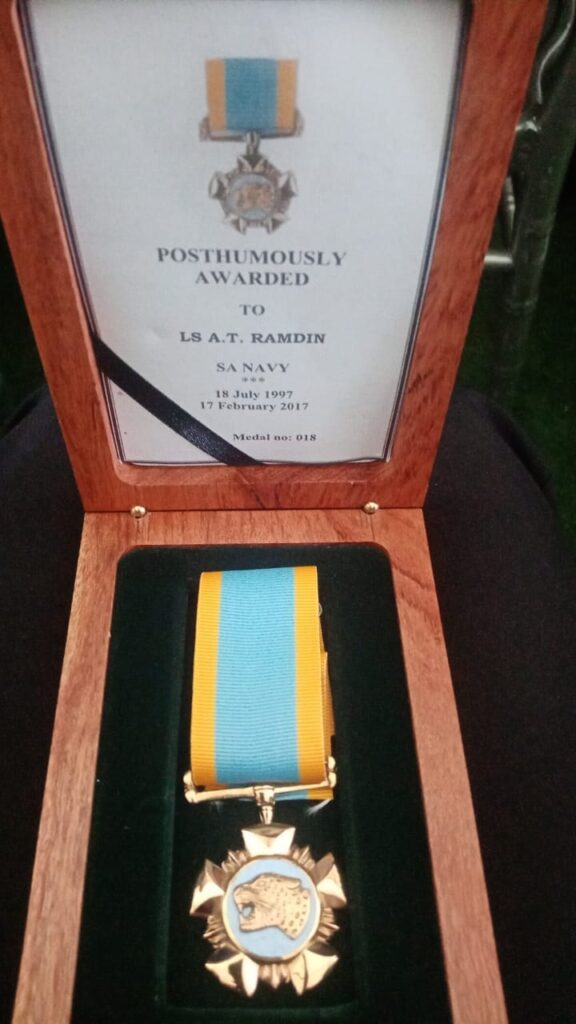
(Nkwe Ya Gauta “Golden Leopard” Decoration for bravery)
The South African Medical Health Services
Activism to Leadership
Lieutenant General Vejaynand Indurjith Ramlakan joined Umkhonto we Sizwe (MK) in 1977 as an underground operative while studying medicine at the University of Natal. He underwent military training in South Africa and Swaziland. Ramlakan qualified as a medical doctor in the 1980s and became a military commander of an MK unit. During this time, he was involved in bombing operations in the Durban area. Ramlakan was convicted of bombing the house of a politician and served 12 years on Robben Island. After his release, he integrated into the South African National Defence Force (SANDF) in 1994. Ramlakan later rose to prominence, becoming the Surgeon General of the South African Military Health Service.
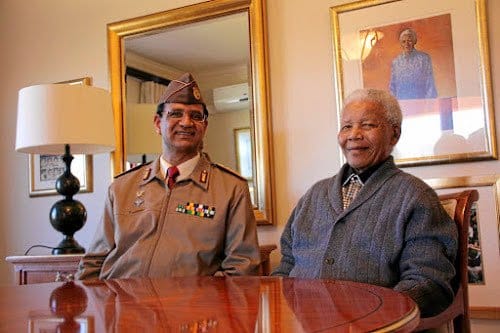
(L-R: Lieutenant General Vejaynand Indurjith Ramlakan with late President Nelson Mandela)
A Life of Activism to Service
Colonel Devenathan “Dave” Perumal, from Durban, joined the Natal Indian Youth Congress at 17 and was later recruited into uMkhonto weSizwe (MK), the military wing of the African National Congress. Perumal’s involvement in the fight against apartheid began at a young age. Perumal received training in Russia and participated in active military operations against the apartheid government. One of his notable actions was the destruction of the Victoria Street Bridge on March 21, 1962, which he carried out with his unit. Forced into exile, Perumal went to London, where he pursued a career in medicine. Following South Africa’s transition to democracy, Dr Perumal integrated into the South African National Defence Force, bringing his skills and experience to the new era.
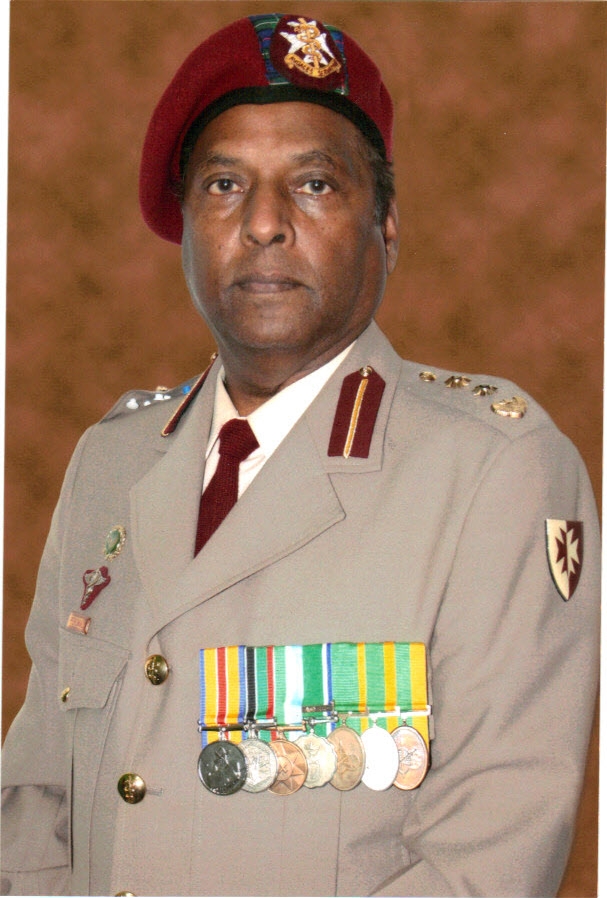
(Colonel Devenathan “Dave” Perumal)
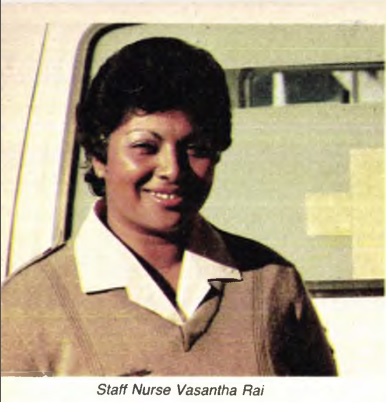
Breaking Barriers in Military Nursing
Staff Nurse Vasantha Rai trained at the R.K. Khan Hospital in Chatsworth, Durban. In 1979, she began her career with the South African Defence Force as a civilian nurse. Rai later transitioned into uniformed service, making history as the first Indian female to enlist in the South African Medical Service as a military practitioner. Her achievement paved the way for future generations of women in the military.
The Indian Military Memorials
The Indian War Memorial – Observatory, Johannesburg
The Indian War Memorial was erected at the end of the Anglo-Boer War to honour the contribution of the Indian Officers, Non-Commissioned Officers and Camp Followers during the war from 1899 to 1902.
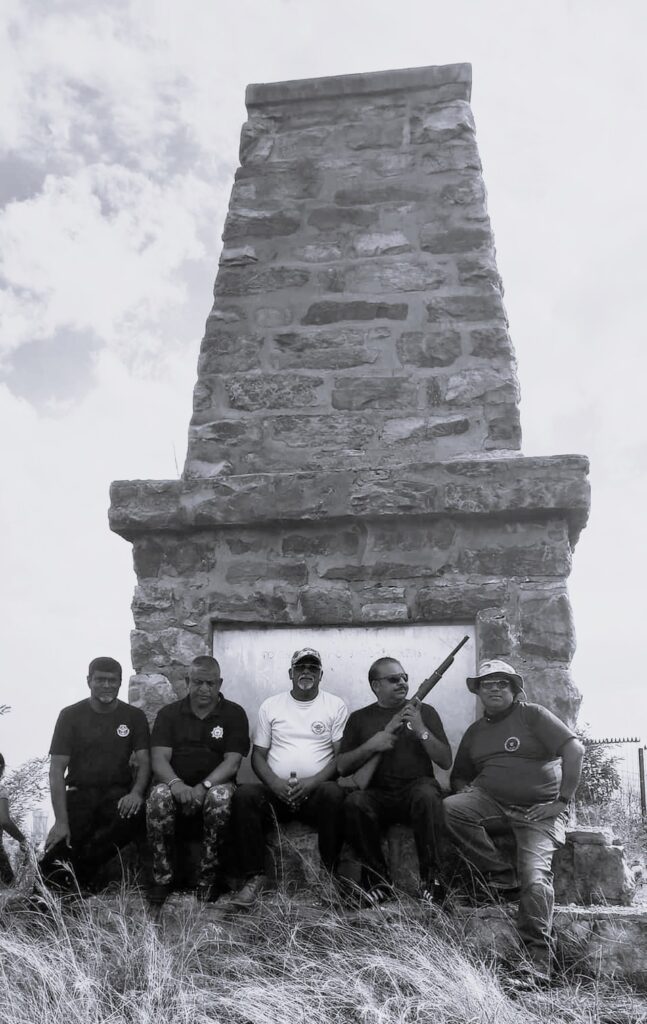
(The Indian War Memorial in Observatory, Johannesburg)
The Wall of Remembrance – Ditsong National Museum of Military History, Johannesburg
The Wall of Remembrance to honour the fallen South African Soldiers of Indian Origin from World War 1 and World War 2 was unveiled by Colonel Kantha Archary at an unveiling ceremony in July 2024.
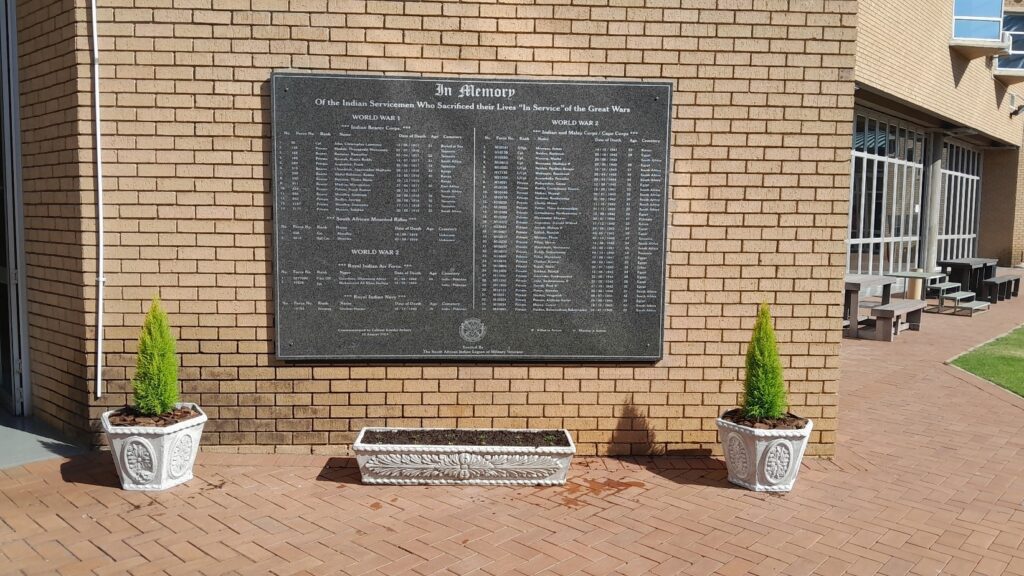
(Wall of Remembrance to honour the fallen South African Soldiers of Indian Origin at the Ditsong National Museum of Military History, Johannesburg)
The Indian Military Exhibitions
South African Air Force Museums
The organisation has completed a joint venture with the South African Air Force Museum by implementing exhibitions on the Indian participation in the South African Air Force at the following South African Air Force museums: Swartkops (Pretoria), Ysterplaat (Cape Town) and Port Elizabeth.
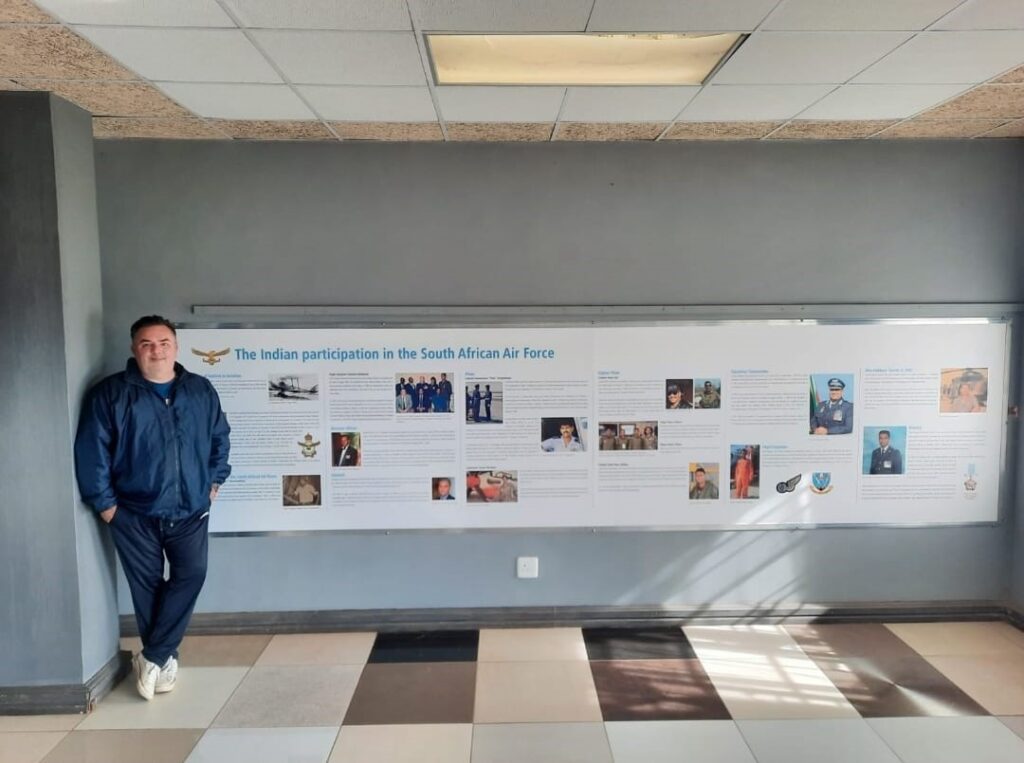
(The Indian Participation in the South African Air Force exhibition at SA Air Force Museum in South African Air Force Museum in Port Elizabeth)
The Role of Indians in the South African Military Exhibition – Ditsong National Museum of Military History, Johannesburg
The Role of Indians in the South African Military is exhibited at the Ditsong National Museum of Military History in Johannesburg. The exhibition shares an overview of the participation of Indians in the military from the Anglo-Zulu War of 1899, the Anglo-Boer War and the World Wars. It also shares the more recent history of Indians in the South African National Defence Force era.
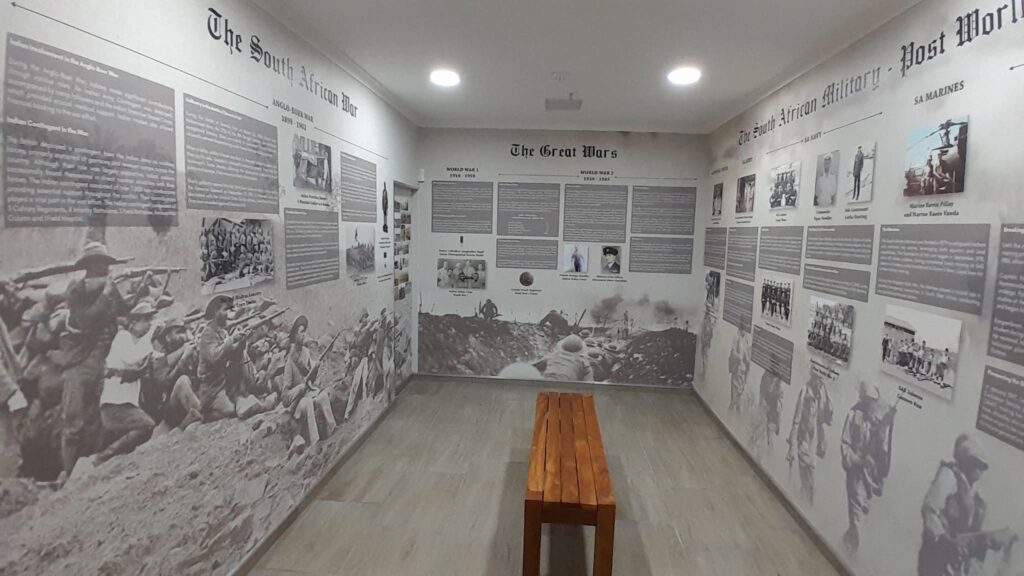
(The Role of Indians in the South African Military exhibition at the Ditsong National Museum of Military History, Johannesburg)
The Indian Military Veterans’ Organisations
The Indian Ex-Servicemen’s League
The platform was established post-World War 2 but sadly came to a demise due to a lack of succession planning.
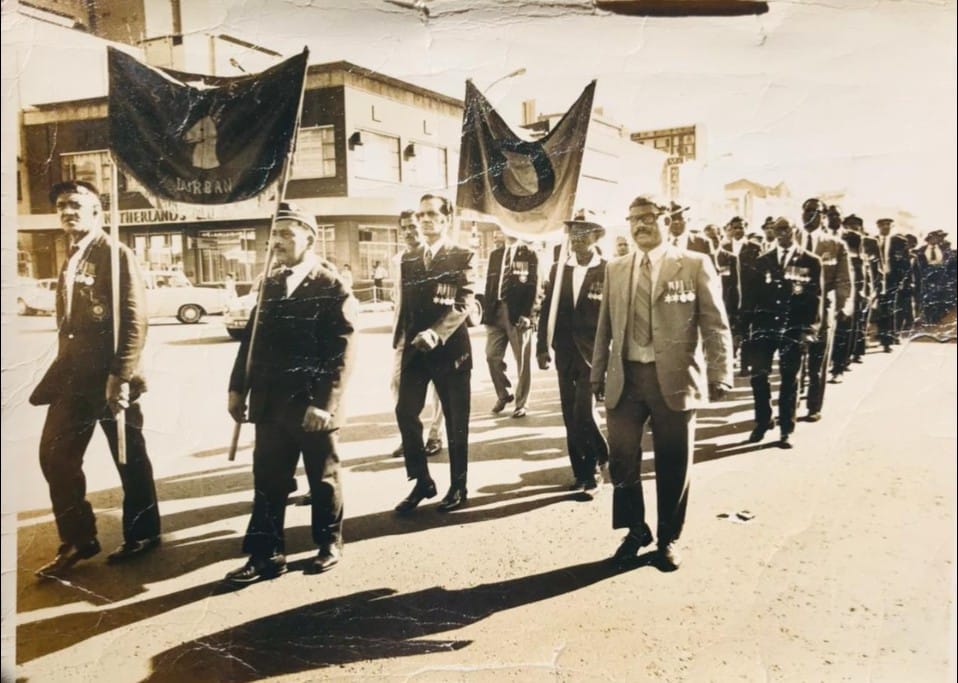
(The Ex-Servicemen League on Parade during Remembrance Day)
The South African Indian Legion of Military Veterans
The South African Indian Legion (SAIL) of Military Veterans is a registered non-profit company, registration number 2018/506152/08, as well as a registered Section 18A organisation with the primary objective to research, document and promote the South African Indian military history and its heritage. The platform also serves as a military veteran’s organisation, aimed at promoting the esprit de corps of ex-soldiers and to actively participate in military veterans’ activities in South Africa. The organisation is an affiliated body to the Council of Military Veterans of South Africa, which is recognised by the Department of Defence and Military Veterans of South Africa. The organisation addresses the much-neglected South African Indian military history and heritage, dating back from 1879 to the present; this includes the Zulu War, the Anglo-Boer War and both World Wars, as well as the Indian War Memorial built in 1902 in Observatory, Johannesburg.
South African Indian Legion of Military Veterans
Contact No: 084 450 4892
email: saindianlegion@gmail.com